
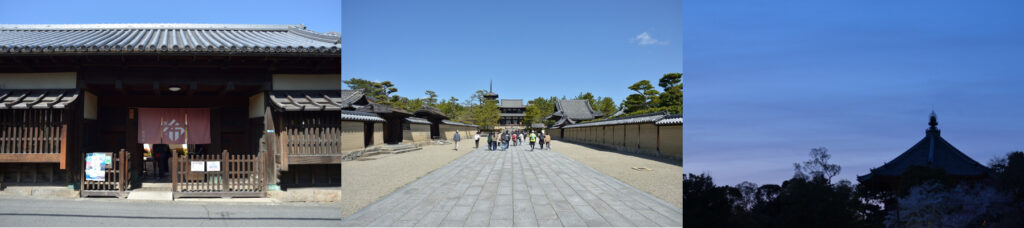
A Relaxed Half-Day Walking Guide to Todai-ji
Nigatsu-do & Sangatsu-do in Nara Park
This page introduces a relaxed half-day walking route around Todai-ji’s Nigatsu-do and Sangatsu-do, ideal for first-time visitors to Nara.
The route is located in the eastern part of Nara Park and offers a calm alternative to busier sightseeing areas.
Overview: A Quiet Half-Day Walk in Eastern Nara
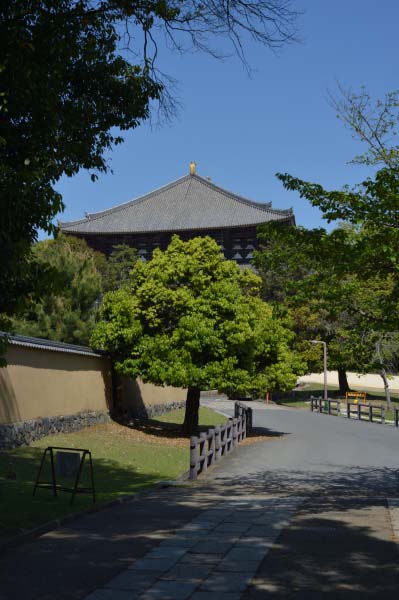
This page introduces a calm, half-day walking route in eastern Nara, an area within Nara Park known for its historic temples and quieter atmosphere, centered on Todai-ji and its two historic halls, Nigatsu-do and Sangatsu-do.
The route is ideal for first-time visitors who prefer a slower pace, fewer crowds, and a deeper sense of place rather than a checklist-style sightseeing experience.
- Walking time: approx. 3–4 hours
- Pace: relaxed, with gentle slopes and some stone steps
- Best time: morning or late afternoon
Half-Day Walking Route (All within walking distance)
Suggested Route
JR Nara Station / Kintetsu-Nara Station
- Todai-ji Nigatsu-do
- Sangatsu-do (Hokke-do)
- Nara Park
- Sarusawa Pond
Both JR Nara Station and Kintetsu-Nara Station can be used as the starting point.
Kintetsu-Nara Station is closer to Nara Park and Todai-ji, making it the more convenient option for walking.
All spots on this route are within easy walking distance.
Why this route works
This route avoids the busiest areas of Todai-ji whenever possible
and focuses on quieter paths within the temple grounds,
making it ideal for first-time visitors who prefer a calm walking experience.
Walking conditions
- Most of the route is on flat ground and easy to walk.
- Stone steps are found near Nigatsu-do.
- Comfortable walking shoes are recommended.
About Sangatsu-do (Hokke-do)
Sangatsu-do (Hokke-do) is the oldest surviving building at Todai-ji Temple.
Which station is more convenient?
Kintetsu Nara Station is usually closer to Nara Park and Todai-ji, so it’s often the easiest choice on foot.
JR Nara Station also works well—it’s still walkable, just a bit farther.
Todai-ji Temple: Historical Background
The Origins of Todai-ji
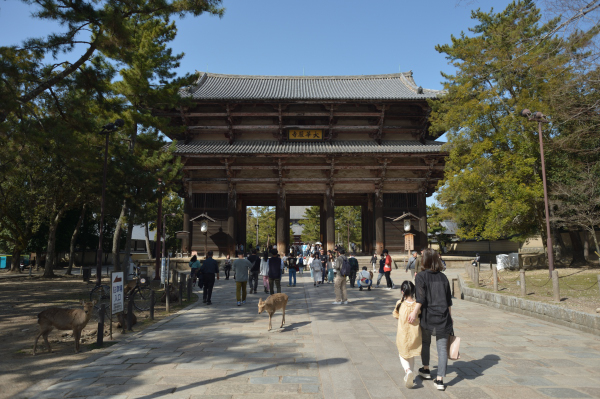
Todai-ji was founded in the 8th century during the Nara period, under the reign of Emperor Shomu.
It served as the head temple of a nationwide system of provincial temples established to protect the country through Buddhist teachings.
The temple is best known as the home of the Great Buddha of Nara, one of the most iconic Buddhist statues in Japan.
Sangatsu-do (Hokke-do): The Oldest Hall at Todai-ji
Why Sangatsu-do Is Special
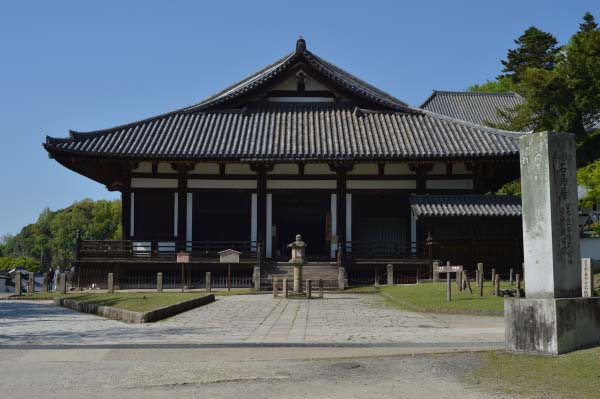
Sangatsu-do, also known as Hokke-do, is the oldest surviving building at Todai-ji.
It dates back to the Nara period and stands on the site of the temple’s predecessor.
The hall is closely associated with early Buddhist practices and teachings in Japan.
Architectural Highlights
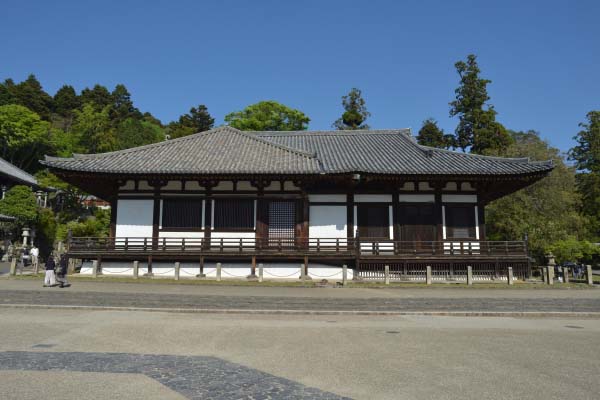
The building consists of two connected sections built in different periods.
If you look closely, you can notice differences in the roof tile colors, reflecting changes over time.
Walking to Nigatsu-do via the Rear Approach
A Quiet Path Away from Crowds
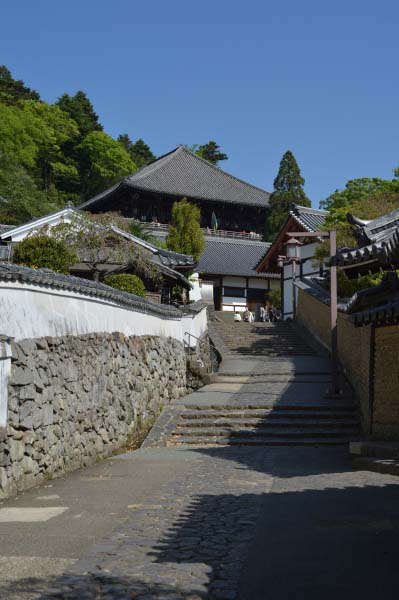
After visiting Sangatsu-do, the walk continues toward Nigatsu-do via the rear approach path.
This route is less crowded than the main paths near the Great Buddha Hall and offers a calm atmosphere, with stone paving, earthen walls, and small sub-temples along the way.
The area is designated as a Nara Prefecture Scenic Asset.
Nigatsu-do Hall: History and Features
Nigatsu-do at a Glance
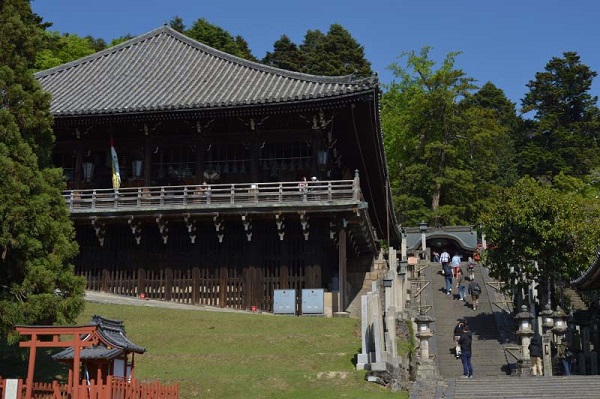
Nigatsu-do was originally founded in 752 but was destroyed by fire in the 17th century.
The current hall was rebuilt soon after with support from the Edo shogunate.
The hall is famous for the annual Omizutori (Shuni-e) ceremony, held every year in early spring.
The Wooden Stage (Kake-zukuri Style)
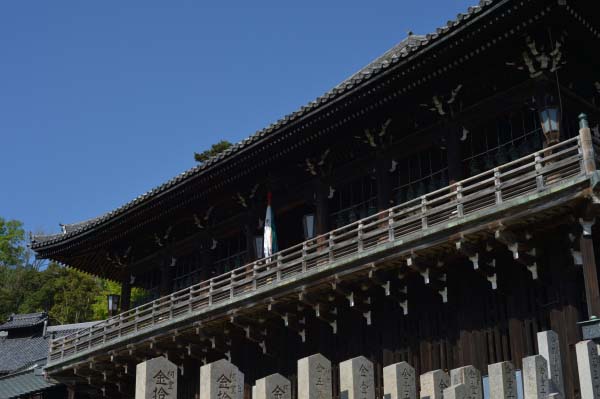
Nigatsu-do features a large overhanging wooden stage built in the kake-zukuri architectural style.
From here, visitors can enjoy wide views of Nara City and the surrounding mountains.
Views from the Nigatsu-do Stage
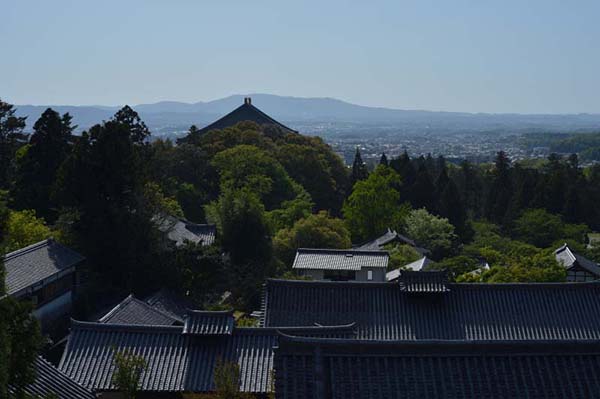
Looking Over Nara
The view from the stage stretches across central Nara.
On clear days, Mt. Ikoma can be seen beyond the city.
Late afternoon is especially atmospheric, as the light softens and the city gradually quiets down.
Nara Park and Deer Encounters
Walking Through Nara Park
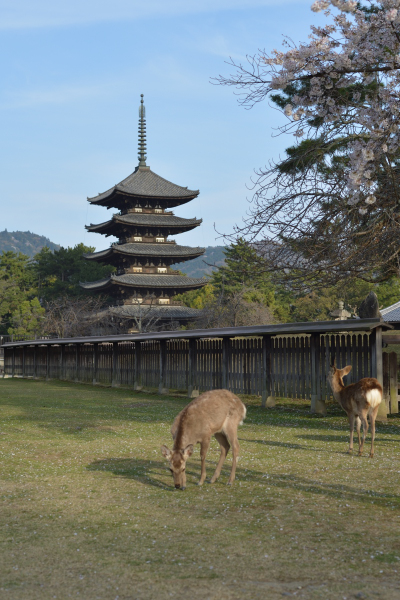
From Nigatsu-do, the route continues through Nara Park.
Deer roam freely throughout the park and often gather in quieter, fenced areas where they appear to rest peacefully.
Please remember that the deer are wild animals and should be treated with care.
Sarusawa Pond and the Five-Story Pagoda
A Classic Nara View
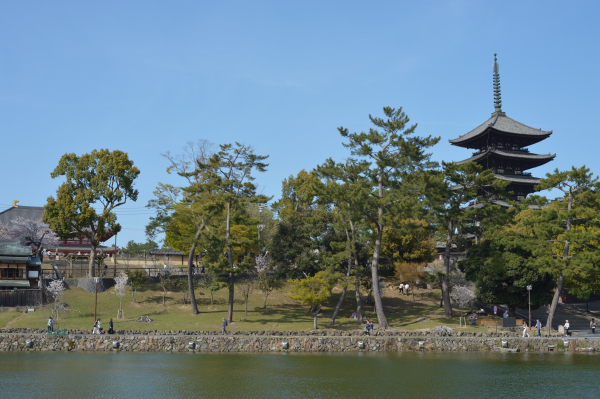
Sarusawa Pond is located near Kofuku-ji and offers a classic view of Nara, with the Five-Story Pagoda reflected in the water.
This spot provides a gentle and memorable ending to the half-day walk.
Practical Information
How to Get There
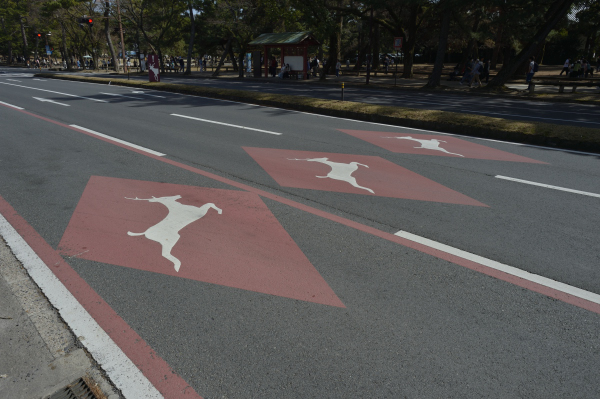
From Kintetsu Nara Station
- Approx. 24-minute walk through Nara Park
- Loop bus available; get off near Todai-ji and walk about 10–15 minutes
From JR Nara Station
- Approx. 34-minute walk
- City loop bus available; get off near Todai-ji Daibutsuden and walk about 15 minutes
Opening Hours
- Nigatsu-do stage: open 24 hours
- Other halls: opening hours vary by season
Tips for Visitors
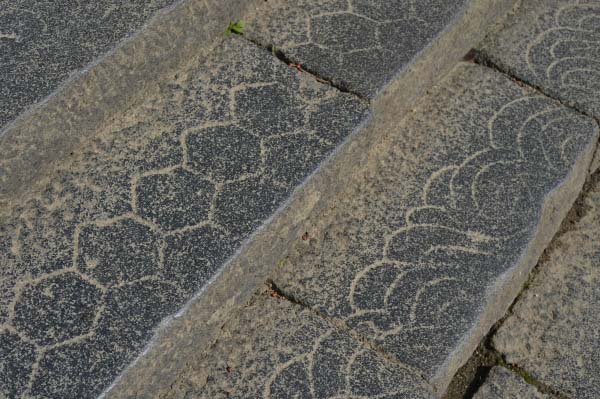
- Expect stone steps near Nigatsu-do
- Early morning and late afternoon are quieter
- This route is best suited for slow, unhurried exploration
Who This Walk Is For
- First-time visitors to Nara
- Travelers interested in history and atmosphere
- Those who prefer calm walks over crowded highlights