【The Guidance of Knowledge】
This piece was crafted with the help of modern AI to better illuminate the timeless beauty of our ancient heritage.


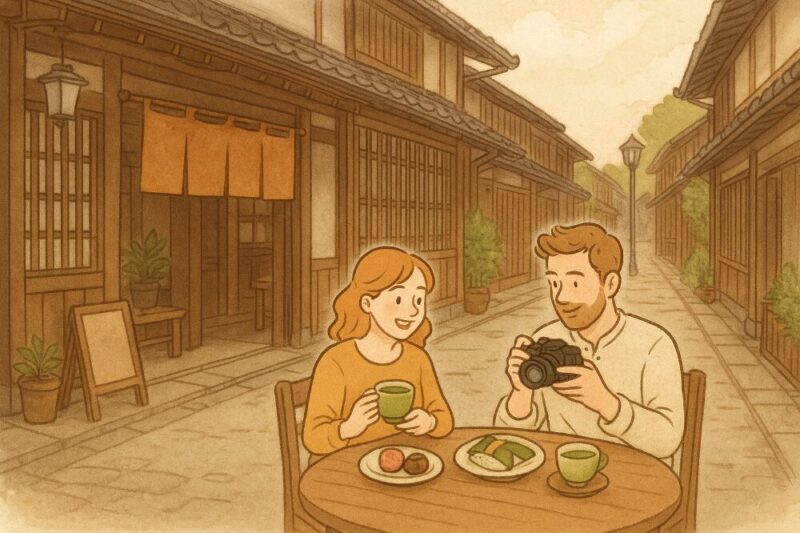
“Even in the small alleys of the capital, the fragrance of the past remains, reminding us of the timeless beauty of Yamato.” > — A reflection on the living heritage of Naramachi.
Welcome to Naramachi, the former merchant district where the charm of the Edo and Meiji periods is still very much alive. Here, history is not kept behind glass; it is found in the narrow alleys, the traditional latticed townhouses (machiya), and the quiet courtyards. This is a place to join in—to whisk tea, to wear silk, and to connect with the soul of Japanese craftsmanship.
Imagine a place where time slows down, and every corner tells a story. Naramachi, with its preserved architecture and gentle pace, invites you to step away from the modern world and immerse yourself in the traditions that have shaped Nara for centuries.
Suggested time: about 1–2 hours (flexible, perfect for a relaxed stroll).
In the quiet heart of Naramachi, step into a traditional tea room. The gentle scent of tatami, soft light filtering through shoji screens, and the graceful movements of the host draw you into a world of harmony.

In Naramachi, you can do more than admire Japanese art—you can try it yourself. Local studios and cultural centers offer a bridge to ancient skills.
One of the most memorable ways to enjoy Naramachi is to stroll its narrow streets in traditional dress. Local rental shops provide everything you need, making you feel like part of the living history.
Walking through the latticed townhouses in a kimono (or a yukata in summer) adds a new layer of charm. The wooden lattices and quiet alleys become the perfect backdrop for memories that capture both tradition and beauty.
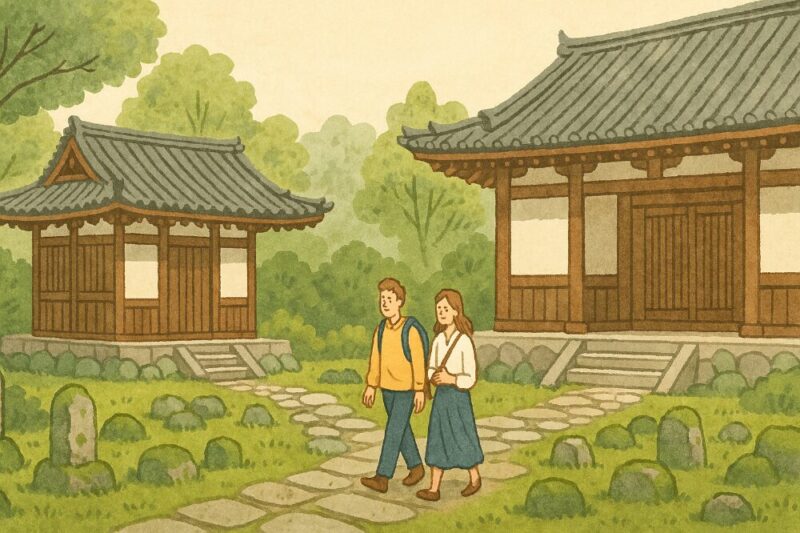
Amid the lively shops, find deep calm at places like Gango-ji Temple, a UNESCO World Heritage site that preserves the quiet atmosphere of early Buddhism. Its moss-covered stones and simple halls invite you to slow down.
Scattered throughout the district are small shrines and roadside statues cared for by local residents. Pausing here offers a glimpse into everyday faith—not about grand ceremonies, but about the gentle rhythm of daily spirituality.
Gangoji Official Website (English)
Naramachi is not only a place to see but a place to join in. By whisking matcha, writing with a brush, or walking in silk, you step into traditions passed down for centuries. These encounters remind us that travel is about more than sightseeing—it is about the small, mindful moments that stay in our hearts long after the journey ends.